WEEK 10
Isaac Bashevis Singer, פֿון „אַן ערבֿ־חנוכּה אין וואַרשע”, From “A Hanukkah Eve in Warsaw”
Miryem Ulinover, דער גאָלדענער בעכער, The Golden Goblet
Rokhl Korn, דאָס אַלץ, וואָס קומט מיר צו חלום, Everything I Dream
Rokhl Korn, אַ נײַ קלײד, A New Dress
Yitskhok Bashevis, An Trev-Khanike in Varshe
41: 39And Pharaoh said unto Joseph: ‘Forasmuch as God hath shown thee all this, there is none so discreet and wise as thou. 40Thou shalt be over my house, and according unto thy word shall all my people be ruled; only in the throne will I be greater than thou.’ 41And Pharaoh said unto Joseph: ‘See, I have set thee over all the land of Egypt.’
מ”א 39 און פַּרעה האָט געזאָגט צו יוֹספֿן: נאָכדעם װי גאָט האָט דיך געלאָזט װיסן דאָס אַלץ, איז ניטאָ אַ פֿאַרשטאַנדיקער און אַ קלוגער אַזױ װי דו. 40 דו װעסט זײַן איבער מײַן הױז, און לױט דײַן מױל זאָל געװירטשאַפֿט װערן מײַן גאַנץ פֿאָלק; נאָר מיטן טראָן װעל איך זײַן גרעסער פֿון דיר. 41 און פַּרעה האָט געזאָגט צו יוֹספֿן: זע, איך האָב דיך אױפֿגעזעצט איבערן גאַנצן לאַנד מִצרַיִם.
The Parshe Mikeyts which recounts the story of Joseph and his brothers (once Joseph has risen to power in Egypt) is always read on Khanike. I hope you enjoy this selection by I.B. Singer in which the narrator, a young storyteller and dreamer, identifies with Joseph . It is excerpted from the story “A Hanukkah Eve in Warsaw,” my favorite Khanike story, a tale for story-lovers of all ages.
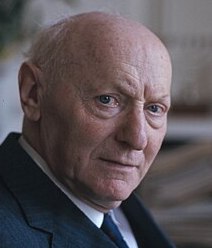
For a biography of Isaac Bashevis Singer in English, click here.
פֿון „אַן ערבֿ־חנוכּה אין וואַרשע”
דאָס אַרײַנקומען אין חדר איז יעדן פֿרימאָרגן פֿאַר מיר געווען אַן איבערלעבונג… מ’האָט מיך אױפֿגעצױגן אין װאַרשע, אָבער איך האָב אױסגעזען װי אַ פּראָװינצער. די ייִנגלעך האָבן געלאַכט אױס מיר און אױס מײַן פּראָװינצער הלבשה. זײ האָבן אַפֿילו געשפּעט אױס דעם שטײגער װי איך האָב אַרױסגערעדט טײל ייִדישע װערטער. דערצו האָט מען נישט געקאָנט פֿירן מיט מיר קײן שום מיסחרים. מײַנע טאַטע־מאַמע האָבן נישט געהאַט קײן געװעלב, קײן פֿאַבריק. איך האָב גאָרנישט מיטגעבראַכט אין חדר אַחוץ אַ חומש. יענעם פֿרימאָרגן האָב איך געהאַט מיטגעבראַכט מיט מיר אַ דרײדל. חנוכּה איז אַ יום־טובֿ װען מע מעג שפּילן. אָבער צו שפּילן מוז מען אײַנשטעלן געלט און מײַנע אָרעמע עלטערן האָבן מיר נישט מיטגעגעבן קײן געלט. איך האָב ערשט געזאָלט קריגן אַ גראָשן אין אָװנט, נאָכן בענטשן חנוכּה־ליכט. נאָך עפּעס, טײל קינדער האָבן געהאַט דרײדלעך פֿון בײן, דרײדלעך מיט קאָלירן און באַצירעכצער. אָבער מײַן דרײדל איז געװען אײנפֿאַכער צין.
איך האָב מיך אַלע מאָל געשעמט װען איך בין אַרײַן אין חדר. איך האָב אָפֿט געבעטן גאָט איך זאָל שױן גיך אױפֿװאַקסן און פֿאַרשפּאָרן צו גײן אין חדר. אָבער די צײַט פֿון אַ קינד שלעפּט זיך אַזױ פּאַמעלעך! נו, אָבער איך האָב געהאַט מײַן סאַטיספֿאַקציע. אַלע קינדער האָבן ליב צו הערן מעשׂיות און איך האָב געהאַט געקראָגן אַ נאָמען פֿאַר אַ מעשׂה־דערצײלער. איך האָב נאָכדערצײלט די מעשׂה פֿון מכירות־יוסף װי איך װאָלט געװען דערבײַ. יוספֿס חלומות זענען געװאָרן מײַנע חלומות. די ברידער האָבן מיך מקנא געװען און מיך פֿאַרקױפֿט פֿאַר אַ קנעכט צו די ישמעאלים און די ישמעאלים האָבן מיך פֿאַרקױפֿט צו די מיצרים, און דאָרטן האָט מיך פּוטיפֿר אײַנגעזעצט אין תּפֿיסה און כ’בין שפּעטער געװאָרן אַ שני־למלך בײַ פּרעהן. יעקבֿ, יוסף, די אַנדערע שבֿטים, לבֿן, רחל, לאה, בלהה, זילפּה — זענען מיר געװען אַזױ נאָענט און באַקאַנט װי מײַן מאַמע, מײַן טאַטע, אונדזער שכנטע באַשעלע און איר מײדל שאָשע, װאָס מיט איר האָב איך געפֿירט אַ שטילע ליבע.
אַזױ װי כ’בין געזעסן אין חדר בײַם חומש האָב איך געבענקט נאָך איר און נאָך אירע קינדישע רײד װאָס האָבן געהאַט פֿאַר מיר טױזנט טעמים.
אַרום דרײַ אַ זײגער האָבן מיר געהאַט אָפּגעלערנט אונדזער שיעור און דער רבי, ר’ משה־יצחק, אַ זקן פֿון אַכציק יאָר, האָט אַװעקגעלײגט דעם טײַטל און דאָס האָזענע פֿיסל מיטן רימען, װאָס דערמיט האָט ער געשמיסן װידערשפּעניקע תּלמידים, און ער האָט אונדז געהײסן גײן אַהײם. דער בעלפֿער איז צוגעקומען צו מיר און גענומען רעדן מיט אַ צעגערניש.
— דו זאָגסט אַלע מאָל אַז דו װײסט דעם װעג אַהײם אַלײן, איז דאָס אמת?
— יאָ, אמת.
— װעסט נישט פֿאַרבלאָנדזשען?
— פֿאַרבלאָנדזשען? כ’װאָלט געקאָנט גײן אַהײם אַלײן אין מיטן דער נאַכט.
— איך האָב עפּעס צו טאָן און כ’האָב נישט קײן צײַט דיך אַהײמצופֿירן. קאָן איך דיך לאָזן גײן אַהײם אַלײן?
— יאָ, יאָ.
— װעסט נישט דערציילן טאַטע־מאַמע?
— דערצײלן? נײן. קײן מאָל נישט.
— איז דאָס אַ װאָרט?
—כ’קאָן שװערן בײַ די ציצות.
—דאַרפֿסט נישט שװערן בײַ די ציצות.
— כ’װעל נישט אױסזאָגן, אַפֿילו מ’זאָל מיך דערהרגענען.
— נו, גוט. גײ גלײַך אַהײם און שטעל דיך נישט אָפּ אױפֿן װעג. װעסט זאָגן אַז כ’האָב דיך צוגעפֿירט צום טױער.
— יאָ.
—דער בעלפֿער האָט מיר געהאָלפֿן אָנטאָן מײַן קאַפּאָטע, דעם באַשליק, די הענטשקעס, די קאַלאָשן. די אַנדערע ייִנגלעך האָבן געלאַכט אױס מיר און געמאַכט העװיות. זײ האָבן מיך גערופֿן צונעמען: דער מאַמעס זונדעלע, דאָס מזוזהלע, דאָס אָפּגעציטערטע קינדעלע, דאָס רבילע. אײנער האָט מיר אַרױסגעשטעקט די צונג, דער אַנדערער האָט מיר געװיזן אַ פֿײַג. אײן ייִנגל האָט אַ זאָג געטאָן, ’ער איז יױסף. דער טאַטע װעט אים מאַכן אַ זײַדן העמדל.“
די גאָלדענע קייט, נ’ 132, 1991
A HANUKKAH EVE IN WARSAW
Coming to cheder was for me a daily trial. I was raised in Warsaw but I looked like a yokel. The boys laughed at me and my small town customs. They even mocked the way I pronounced some words in Yiddish. Besides, they couldn’t do any trading with me. I brought nothing to cheder except my Pentateuch.
I always felt ashamed when I came to cheder, and I often prayed to God to let me grow up faster so that I could be through with being a child. But I had some satisfaction, too. Children love to hear stories, and I had acquired the reputation of a storyteller. I was also able to add my own fantasies to the stories we read in the khumesh. At Hanukkah time, the teacher studied with us the section that dealt with Joseph and his brothers. I retained the meaning of the Hebrew words better than many of the other children, and I repeated the tale as if I had been there in person. Joseph’s dreams became my dreams. The brothers envied me and sold me into slavery to the Ishmaelites, who in turn sold me to the Egyptians. Potiphar had me imprisoned, and later I became viceroy to Pharoah. Jacob, Joseph, the other tribes, Laban, Rachel, Leah, Bilhah, Zilpah were all as close and familiar to me as my own mother and father, as our neighbor Bashele and her daughter, Shosha, with whom I carried on an unspoken love affair. As I sat in checer over the khumesh, I yearned for her and her childish words, which held a thousand delights for me . . .
By 3:00 o’clock we had concluded our portion and the teacher, Reb Moshe Yitzkhok, a patriarch of eighty, put down the pointer and the hare’s leg with the thong that he used to whip bad pupils, and told us to go home.
The assistant teacher came up to me and began, with hesitation, “ You always say that you could find your way home by yourself. Is this true?”
“Yes, it’s true. “
“You wouldn’t get lost?”
“Lost? I could get home in the middle of the night!”
“I’ve got something to do and I don’t have the time to take you home. Can I trust you to get home by yourself?”
“yes, yes…”
“You won’t tell your parents?”
“Tell? No, never!”
“Is it a promise?”
“I swear it on my tsitses.”
“You don’t have to swear on your tsitses.”
“I wouldn’t say anything even if they should kill me.”
“Well, all right. Go straight home and don’t stop along the way. You’ll tell them I took you to the gate of your house.”
“Yes.”
The assistant teacher helped me put on my overcoat, the hood, the gloves, the galoshes. The other boys laughed and made fun of me. They called me a sissy, a mama’s boy, a little rabbi, a small brat. One of them showed me his tongue, and another made the sign of the fig. A third said “He is Joseph from the Bible. His father will make him a coat of many colors…”
Tr. by Isaac Bashevis Singer and Ruth Schachner Finkel
Isaac Bashevis Singer, Stories for Children, Farrar/Straus/Giroux, 1962
Fun “AN EREV-KHANIKE IN VARSHE”
m’hot mikh oyfgetsoygn in varshe, ober ikh hob oysgezen vi a provintser. di yinglekh hobn gelakht oys mir un oys mayn provintser halboshe. zey hobn afile geshpet oys dem shteyger vi ikh hob aroysgeredt teyl yidishe verter. dertsu hot men nisht gekont firn mit mir keyn shum miskhorem. mayne tate-mame hobn nisht gehat keyn gevelb, keyn fabrik. ikh hob gornisht mitgebrakht in kheyder akhuts a khumesh. yenem frimorgn hob ikh gehat mitgebrakht mit mir a dreydl. khanike iz a yom-tov ven me meg shpiln. ober tsu shpiln muz men aynshteln gelt un mayne oreme eltern hobn mir nisht mitgegebn keyn gelt. ikh hob ersht gezolt krign a groshn in ovnt, nokhn bentshn khanike-likht. nokh epes, teyl kinder hobn gehat dreydlekh fun beyn, dreydlekh mit kolirn un batsirekhtser. ober mayn dreydl iz geven eynfakher tsin.
ikh hob mikh ale mol geshemt ven ikh bin arayn in kheyder. ikh hob oft gebetn got ikh zol shoyn gikh oyfvaksn un farshporn tsu geyn in kheyder. ober di tsayt fun a kind shlept zikh azoy pamelekh! nu, ober ikh hob gehat mayn satisfaktsye. ale kinder hobn lib tsu hern mayses un ikh hob gehat gekrogn a nomen far a mayse-dertseyler. ikh hob nokhdertseylt di mayse fun mekhires-yoyself vi ikh volt geven derbay. yoysefs khaloymes zenen gevorn mayne khaloymes. di brider hon mikh mekane geven un mikh farkoyft far a knekht tsu di Yishmoeylem un di yishmoeylem hobn mikh farkoyft tsu di mitsrim, un dortn hot mikh potifar ayngezetst in tfise un kh’bin shpeter gevorn a sheyne-lemeylekh bay pare|n. Yankev, yoysef, di andere shvotim, lovn, rokhl, leye, bilha, zilba — zenen mir geven azoy noent un bakant vi mayn mame, mayn tate, undzer shokhn|te bashele un ir meydl shoshe, vos mit ir hob ikh gefirt a shtile libe.
azoy vi kh’bin gezesn in kheyder baym khumesh hob ikh gebenkt nokh ir un nokh ire kindishe reyd vos hobn gehat far mir toyznt tamim/tamen.
arum dray a zeyger hobn mir gehat opgelernt undzer shier un der rebe, r’ moyshe-yitskhok, a zokn fun akhtsik yor, hot avekgeleygt dem taytl un dos hozene fisl mitn rimen, vos dermit hot er geshmisn vidershpenike talmidim, un er hot undz geheysn geyn aheym. der belfer iz tsugekumen tsu mir un genumen redn mit a tsegernish.
— du zogst ale mol az du veyst dem veg aheym aleyn, iz dos emes?
— yo, emes.
— vest nisht farblondzhen?
— farblondzhen? kh’volt gekont geyn aheym aleyn in mitn der nakht.
— ikh hob epes tsu ton un kh’hob nisht keyn tsayt dikh aheymtsufirn. kon ikh dikh lozn geyn aheym aleyn?
— yo, yo.
— vest nisht dertseyln tate-mame?
— dertseyln? neyn. keyn mol nisht.
— iz dos a vort?
—kh’kon shvern ba di tsitses.
—darfst nisht shvern bay di tsitses.
— kh’vel nisht oyszogn, afile m’zol mikh derhargenen.
— nu, gut. gey glaykh aheym un shtel dikh nisht op oyfn veg. vest zogn az kh’hob dikh tsugefirt tsum toyer.
— yo.
—der belfer hot mir geholfn onton mayn kapote, dem bashlik, di hentshkes, di kaloshn. di andere yinglekh hobn gelakht oys mir un gemakht hevayes. zey hobn mikh gerufn tsunemen: der mames zundele, dos mezuze|le, dos opgetsiterte kindele, dos rebe|le. eyner hot mir aroysgeshtrekht di tsung, der anderer hot mir gevizn a fayg. eyn yingl hot a zog geton, “er iz yoysef. der tate vet im makhn a zaydn hemdl.”
Di Goldene Keyt, n’ 132, 1991
Miryem Ulinover, Der goldener bekher
44 12And he searched, beginning at the eldest, and leaving off at the youngest; and the goblet was found in Benjamin’s sack.
מד 12 און ער האָט געזוכט; מיטן עלטסטן האָט ער אָנגעהױבן, און מיטן ייִנגסטן האָט ער געענדיקט. און דער בעכער איז געפֿונען געװאָרן אין בנימינס זאַק.
 For a biography of Miriam Ulinover, click here.
דער גאָלדענער בעכער
אױפֿן שױבנשענקל
רוט דער שבת־חן,
דאָרט ליגט ס’מוצאי־מעסער
מיטן גריף פֿון בײן.
דאָרט דער גאָלדענער בעכער
פֿאַר צײַטנס געפֿרעגט,
מיט דער צײַט געפּסלט
און אַװעקגעלײגט.
ער האָט אָן עפּעס, זאָגט מען,
אײן מאָל אָנגעקלאַפּט
אין אַן אָרט אַ פֿינצטערן
און אַ קנײטש געכאַפּט.
אָפּגענוצט װערט אַלץ
און פֿאַרלירט זײַן פֿאַרב,
נישט דער גאָלדענער בעכער
מיט דעם טיפֿן קאַרב!
אַלט און הײליק שימערט
ער פֿון שאַנק אַרױס,
אפֿשר איז עס
יוסף הצדיקס כּוס…
און דעם קנײטש דעם טיפֿן
קען ער האָבן רק
פֿון אַן אָרט אַ פֿינצטערן
פֿון בנימינס זאַק!
מרים אולינאָווער, מרים אולינאָווער, אַ גרוס פֿון דער אַלטער היים: לידער, פּאַריז, 2003
Here is my very literal non-rhyming translation.
THE GOLDEN GOBLET
On the cupboard pane
The charm of Sabbath rests,
There lies the khale knife
With it’s ivory handle.
There the golden goblet
So much in demand in days gone by,
Now so out of use
Has been put away.
One day, they say, it
Knocked into something
And in a dark place
Got a dent.
Everything gets used
And loses its color,
But not the golden goblet
With its deep notch!
Old and holy it sparkles
Out of the cupboard,
Perhaps it is
The cup of Joseph the Righteous…
And the deep dent
It can have only
From a dark place
In Benjamin’s sack!
Tr. Sheva Zucker
der goldener bekher
oyfn shoybnshenkl
rut der shabes-kheyn,
dort ligt s’moytsey-meser
mitn grif fun beyn.
dort der goldener bekher
far tsaytns gefregt,
mit der tsayt ge|paslt
un avekgeleygt.
er hot on epes, zogt men,
eyn mol ongeklapt
in an ort a finstern
un a kneytsh gekhapt.
opgenutst vert alts
un farlirt zayn farb,
nisht der goldener bekher
mit dem tifn karb!
alt un heylik shimert
er fun shank aroys,
efsher iz es
Yoysef hatsade’s kos…
un dem kneytsh dem tifn
ken er hobn rk
fun an ort a fins|tern
fun Binyomens zak!
Miryem Ulinover
Rokhl Korn, Dos alts, vos kumt mir tsu kholem
41:7And the thin ears swallowed up the seven rank and full ears. And Pharaoh awoke, and, behold, it was a dream. 8And it came to pass in the morning that his spirit was troubled; and he sent and called for all the magicians of Egypt, and all the wise men thereof; and Pharaoh told them his dream; but there was none that could interpret them unto Pharaoh.
32And for that the dream was doubled unto Pharaoh twice, it is because the thing is established by God, and God will shortly bring it to pass.
מא 7 און די דינע זאַנגען האָבן אײַנגעשלונגען די זיבן געזונטע און פֿולע זאַנגען. און ַפּרעה האָט זיך אױפֿגעכאַפּט, ערשט עס איז אַ חלום.
8 און עס איז געװען אין דער פֿרי, איז זײַן געמיט געװען צערודערט, און ער האָט געשיקט און גערופֿן אַלע ַחרטומים פֿון מצרים, און אַלע אירע חכמים; און ַפּרעה האָט זײ דערצײלט זַײנע חלוֹמות, אָבער קײנער האָט זײ ניט געקענט פּוֹתר זײַן פֿאַר ַפּרעהן.
32 און װאָס דער חלום האָט זיך איבערגעחזרט אַ צװײט מאָל: װײַל די זאַך איז פֿעסט פֿון גאָט, און גאָט אײַלט דאָס צו טאָן.
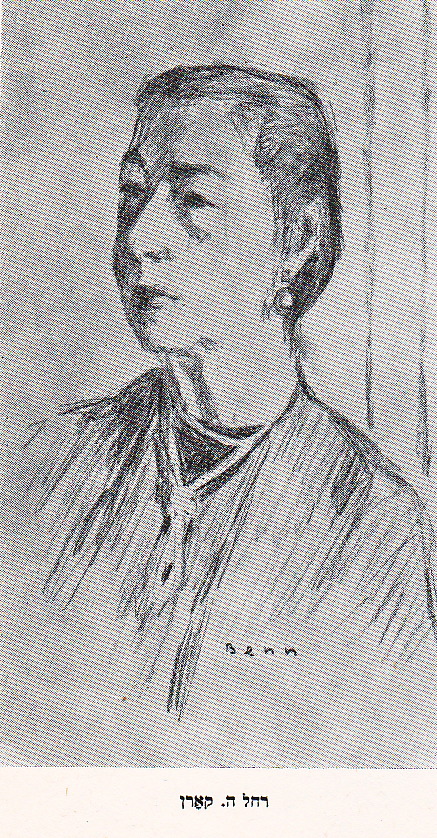 For a biography of Rokhl Korn, click here.
For a biography of Rokhl Korn in Yiddish, click here.
דאָס אַלץ, װאָס קומט מיר צו חלום
דאָס אַלץ, װאָס קומט מיר צו חלום
האָט דאָך ערגעץ אַן אָנהײב, אַ סוף —
טאָ פֿאַר װאָס שטײ איך בלױז אין דער מיטן
און װאַרט אױף פֿאַרבלאָנדזשעטן רוף?
און װער פֿאַרװעבט און פֿאַרשפּינװעבט
אין דער גראָ געװאָרענער צײַט,
בעת ס’בלעטערט מיך, װי אַ ספֿר
דער אָטעם פֿון אײביקײט.
און אױפֿן ראַנד פֿון די בלעטער
פֿלאַמיקט מיט פּורפּורנער שײַן
דאָס אַלץ, װאָס איז נאָך נישט געװאָרן,
דאָס אַלץ, װאָס איז ערבֿ פֿאַרגײן.
עס שטעלט זיך דער חלום צוקאָפּנס
דעם טרױער, װאָס אָדערט זיך אײַן
אין אַ בלינדער װעלט און פֿירט זי
צום בראשית פֿון מענטשלעך געװײן.
רחל קאָרן, די גנאָד פֿון וואָרט, תּל־אָבֿיבֿ 1968
EVERYTHING I DREAM
Everything I dream
must begin and end —
then why am I between,
waiting for a lost voice,
wound and bound and cobwebbed
in a time gone grey,
while the breath of eternity
rifles through me like the pages of a book?
And at the margin of the pages
is the purple light
of all things not yet come into being,
all things passing away.
My dream hovers at the head
of grief that threads the fears
of a sightless world and leads it
to the genesis of human fears.
Rokhl Korn
Tr. Seymour Levitan, Paper Roses: Rokhl Korn/פּאַפּירענע רויזן, Aya Press, 1985
dos alts, vos kumt mir tsu kholem
dos alts, vos kumt mir tsu kholem
hot dokh ergets an onheyb, a sof —
to far vos shtey ikh bloyz in der mitn
un vart oyf farblondzhetn ruf?
un ver farvebt un farshpinvebt
in der gro gevorener tsayt,
beys s’bletert mikh, vi a seyfer
der otem fun eybikeyt.
un oyfn rand fun di bleter
flamikt mit purpurner shayn
dos alts, vos iz nokh nisht gevorn,
dos alts, vos iz erev fargeyn.
es shtelt zikh der kholem tsukopns
dem troyer, vos odert zikh ayn
in a blinder velt un firt zi
tsum breyshis/breyshes fun mentshlekh geveyn.
Rokhl korn, di gnod fun vort, 1968
A NEW DRESS by Rokhl Korn. Recording to follow after Jan. 15, 2025
41: 42And Pharaoh took off his signet ring from his hand, and put it upon Joseph’s hand, and arrayed him in vestures of fine linen, and put a gold chain about his neck.
מא 42 און ַפּרעה האָט אַראָפּגענומען זַײן זיגלרינג פֿון זײַן האַנט, און האָט אים אָנגעטאָן אױף דער האַנט פֿון יוֹספֿן, און ער האָט אים אָנגעקלײדט אין לײַנענע בגדים, און אים אָנגעטאָן אַ גילדערנע קײט אױפֿן האַלדז.
אַ נײַ קלײד
אַ נײַ קלײד
איך האָב זיך אָנגעטאָן הײַנט,
צום ערשטן מאָל
נאָך זיבן לאַנגע יאָר
אַ נײַ קלײד.
נאָר ס’איז צו קורץ פֿאַר מײַן טרױער
און צו ענג פֿאַר מײַן לײַד,
און ס’איז אַ יעדער װײַס־גלעזערנער קנאָפּ,
װי אַ טרער,
װאָס פֿליסט פֿון די פֿאַלדן אַראָפּ
פֿאַרשטײנערט און שװער.
שטאָקהאָלם, 1947
רחל קאָרן
A NEW DRESS
Today for the first time
after seven long years
I put on
a new dress.
But it’s too short for my grief,
too narrow for my sorrow,
and each white-glass button
like a tear
flows down the folds
heavy as a stone.
Stockholm, 1947
Rokhl Korn
Tr. Ruth Whitman, An Anthology of Modern Yiddish Poetry, Selected and translated by Ruth Whitman, Workmen’s Circle, 1979
a nay kleyd
ikh hob zikh ongeton haynt,
tsum ershtn mol
nokh zibn lange yor
a nay kleyd.
nor s’iz tsu kurts far mayn troyer
un tsu eng far mayn layd,
un siz a yeder vays-glezerner knop,
vi a trer,
vos flist fun di faldn arop
farshteynert un shver.
Rokhl korn