This entry is incomplete. It is missing the transliteration of the poem by Kadye M. and the Yiddish reading. Will add as soon as I can.
Week 35
Kadye Molodovski, אַ ליד צו דער פאַפּירענער בריק, A Poem to the Paper Bridge
אַ תּחינה צו חלה־באַקן, A TKHINE (supplication) FOR MAKING CHALLAH
13: 27And they told him, and said: ‘We came unto the land whither thou sentest us, and surely it floweth with milk and honey; and this is the fruit of it. 28Howbeit the people that dwell in the land are fierce, and the cities are fortified, and very great; and moreover we saw the children of Anak there. 29Amalek dwelleth in the land of the South; and the Hittite, and the Jebusite, and the Amorite, dwell in the mountains; and the Canaanite dwelleth by the sea, and along by the side of the Jordan.’ 30And Caleb stilled the people toward Moses, and said: ‘We should go up at once, and possess it; for we are well able to overcome it.’ 31But the men that went up with him said: ‘We are not able to go up against the people; for they are stronger than we.’ 32And they spread an evil report of the land which they had spied out unto the children of Israel, saying: ‘The land, through which we have passed to spy it out, is a land that eateth up the inhabitants thereof; and all the people that we saw in it are men of great stature. 33And there we saw the Nephilim, the sons of Anak, who come of the Nephilim; and we were in our own sight as grasshoppers, and so we were in their sight.’
27 און זײ האָבן אים דערצײלט, און געזאָגט: מיר זײַנען געקומען אין דעם לאַנד װוּהין דו האָסט אונדז געשיקט, און עס פֿליסט 28 אָבער שטאַרק איז דאָס פֿאָלק װאָס זיצט אין לאַנד, און די שטעט זײַנען באַפֿעסטיקטע, גרױסע ביז גאָר, און אױך די קינדער פֿון עַנָק האָבן מיר דאָרטן געזען. 29 עַמָלֵק זיצט אין דָרום-לאַנד, און דער חִתּי, און דער יבֿוסי, און דער אֶמוֹרי, זיצן אין דעם געבערג, און דער כּנַעֲני זיצט בײַם ים און בײַם ברעג יַרדן. 30 האָט כָּלֵבֿ אײַנגעשטילט דאָס פֿאָלק אַקעגן משהן, און ער האָט געזאָגט: אַרױפֿגײן װעלן מיר אַרױפֿגײן, און מיר װעלן עס אַרבן, װאָרום בײַקומען װעלן מיר עס בײַקומען.31 אָבער די מענטשן װאָס זײַנען אַרױפֿגעגאַנגען מיט אים, האָבן געזאָגט: מיר קענען ניט אַרױפֿגײן קעגן דעם פֿאָלק, װאָרום ער איז שטאַרקער פֿון אונדז.32 און זײ האָבן אַרױסגעלאָזט אַ שלעכטן קלאַנג אױף דעם לאַנד װאָס זײ האָבן עס אױסגעקוקט, בײַ די קינדער פֿון ישׂראל, אַזױ צו זאָגן: דאָס לאַנד װאָס מיר זײַנען דורכגעגאַנגען דורך דעם, כּדי עס אױסצוקוקן, דאָס איז אַ לאַנד װאָס עסט אױף אירע באַװוינער, און דאָס גאַנצע פֿאָלק, װאָס מיר האָבן געזען דרינען, זײַנען מענטשן פֿון גרױסן װוּקס. 33 און דאָרטן האָבן מיר געזען די נפֿילים, די זין פֿון עַנָק װאָס פֿון די נפֿילים; און מיר זײַנען געװען װי הײשעריקן אין אונדזערע אױגן, און אַזױ זײַנען מיר געװען אין זײערע אױגן.
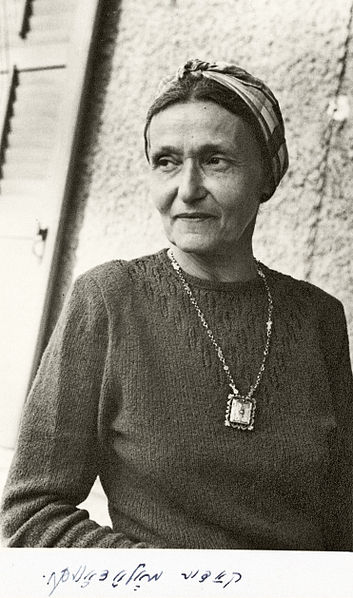 For a biography of Kadye Molodowsky see
Weeks 3, 5 or 11.

אַ ליד צו דער פאַפּירענער בריק
פֿיר מיך, פּאַפּירענע בריק, אין דײַן לאַנד,
װאָס איז װײס, װאָס איז מילד און לאַנגאָניק.
איך בין מיד פֿון דעם מדבר, װאו עס ליגט שױן דער מן
פֿון ברױט און פֿון מילך און פֿון האָניק.
ס’האָט דאָס פּשוטע פֿאָלק, מיט די ערדענע קריג,
מיט קינדער, מיט רינדער, מיט טרערן,
אַ שטאַרקע געבױט די פּאַפּירענע בריק,
מען זאָל זי ניט קענען צעשטערן.
געבױט און געצירט מיט פֿליגלען אַ סך,
צום הימל פֿאַרטשעפּעט אַ טרעפּל.
די בריק כ’האָב געזען דורך אַ פֿליגל פֿון דאַך,
דורך סכך און דורך האַרבסטיקע עפּל.
כ’האָב איר פֿלאַטער געהערט און איר רױש און איר שאָרך
אין דער װײכקײט פֿון מענטעלעך סאַמעט,
און איר קול איך האָב דערקאָנט אין דעם טײַטש פֿון אַ װאָרט
פֿון אַ שטעטלשן אַלטן מלמד.
מײַן האַרץ האָט געקלעמט אױפֿן בראָך אין זײַן שטים,
אױפֿן ציטער פֿון פֿאַרטײַעטן חלום,
ער אַלײן האָט געשפּאַנט אױף דער פּאַפּירענער בריק
און איז איבערגעגאַנגען בשלום.
ס’האָט נאָך קײן מאָל קײן אָפּרו מײַן האַרץ ניט געהאַט,
װען אַפֿילו עס האָבן געטאַנצט מײַנע טריט.
עס קען זײַן, אַז דער סנה האָט געברענט — אפֿשר יע,
נאָר עס װערט ניט געזאָגט, אַז דער סנה האָט געבליט.
כ’האָב שױן װוּנדער געזען אַ סך אונטער זון :
װי אַ בעכער פֿון בלום — װערט אַ תּהום.
כ’האָב שױן װוּנדער געזען אַ סך אומעטום :
װי ליכטיקע שטעט װערן — סדום.
פֿיר מיך, פּאַפּירענע בריק, אין דײַן לאַנד,
װאָס מיר האָבן געבױט מיט ערלעכע הענט,
אין שײַן פֿון דער נױט און אין רײנקײט פֿון האַרץ,
קײן מענטש ניט געמאַטערט, קײן קינד ניט פֿאַרשעמט.
דאָרט בליט נאָך אַ בײמל,
דאָרט קרײט נאָך אַ האָן,
און דער ליכטיקער שחר
באַגינען זאָגט אָן.
1942
דער מלך דוד אַליין איז געבליבן
A POEM TO THE PAPER BRIDGE
Oh, paper bridge, lead me into your land,
White and constant and mild.
I am tired of the desert where manna was strewn
Made of milk and honey and bread.
A simple people, with their earthen jugs,
With children, with cattle, with tears,
Constructed a paper bridge of such strength
It withstands the destruction of years.
Built and adorned with numerous wings,
A staircase hooked up to the sky.
I sighted the bridge through a wing of the roof,
Sukkah twigs, and fall apples hung high.
I heard its flutter, its rustle and rush
in a velvet-soft Torah-scroll mantle,
And I recognized its voice in the gloss of a word
By an old schoolteacher from the shtetl.
My heart grieved at his cracking voice,
At the tremble of his hidden dream.
He himself trod over the paper bridge
And passed across it unharmed.
No rest, as yet, for my own heart,
Even whe my footsteps danced.
Maybe the thorn bush actually burned—
But no one says that it bloomed.
I’ve seen many miracles under the sun:
How a goblet of blossoms becomes a chasm.
I have seen many wonders everywhere:
How illustrious cities become Sodom.
Lead me, paper bridge, into you land,
The one we have built with honest hands,
In the stark light of need and in pureness of heart,
No person was tormented and no child shamed.
There, a sapling still blooms,
There, a rooster crows on,
There, the brilliance of daybreak
Announces a new dawn.
Tr. Kathryn Hellerstein, Paper Bridges: Selected Poems of Kadya Molodowsky
A tkhine tsu khale-bakn
15: 17And the LORD spoke unto Moses, saying: 18Speak unto the children of Israel, and say unto them:
When ye come into the land whither I bring you, 19then it shall be, that, when ye eat of the bread of the land, ye shall set apart a portion for a gift unto the LORD. 20Of the first of your dough ye shall set apart a cake for a gift; as that which is set apart of the threshing-floor, so shall ye set it apart. 21Of the first of your dough ye shall give unto the LORD a portion for a gift throughout your generations.
ט”ו 17 און גאָט האָט גערעדט צו משהן, אַזױ צו זאָגן: רעד צו די קינדער פֿון ישׂראל, און זאָלסט זאָגן צו זײ: אַז איר קומט אין דעם לאַנד װאָס איך ברענג אײַך אַהין, איז, אַז איר עסט פֿון דעם ברױט פֿון לאַנד, זאָלט איר אָפּשײדן אַן אָפּשײדוגן צו גאָט. 20 דאָס ערשטע פֿון אײַערע טײגמולטערס זאָלט איר אָפּשײדן אַ כלה פֿאַר אַן אָפּשײדונג; װי די אָפּשײדוגן פֿון שײַער, אַזױ זאָלט איר עס אָפּשײדן.פֿון דעם ערשטן פֿון אײַערע טײגמולטערס זאָלט איר געבן אַן אָפּשײדונג צו גאָט אױף אײַערע דָור-דורות. און אַז איר װעט פֿאַרזען, און איר װעט ניט טאָן אַלע די דאָזיקע געבאָט װאָס גאָט האָט אָנגעזאָגט משהן,
אַ תּחינה צו חלה־באַקן
שלשה מיצװות נצטװוּ הנשים, דרײַ מיצװת זײַנען די נשים געבאָטן געװאָרן. חנה שמותן. דער נאָמען פֿון די דרײַ מיצװת איז חנה. דאָס װאָרט חנה מאַכט חלה נידה הדלקת הנר.
ראשית עריסותיכם תּרימו חלה, דער טײַטש פֿון דעם פּסוק איז אַזױ: דאָס ערשטע פֿון אײַערע טײג זאָלט איר אָפּשײדן חלה בזכות זה ה’ אוצרותיכם שובע ימלא. די װערטער איז טײַטש פֿון װעגן דעם זכות פֿון מיצװת חלה װעט השם יתברך וברוך הוא וברוך שמו אײַך געבן די ברכה אין אײַערע אוצרות און װעט זײ אָנפֿילן מיט זעט פֿאַר צײַטן. פֿלעגט אַזױ זײַן, דער כּהן האָט גענומען תּרומה און דער לװי האָט גענומען מעשׂר און דער עני, מעשׂר עני, אױך צו צײַטן מעשׂר שני אָבער אַצינדערט בעוונותינו הרבים אַז דאָס בית־המיקדש איז חרובֿ איז אַלץ בטל געװאָרן נאָר די מיצװה פֿון חלה איז געבליבן, דרום רבונו־של־עולם בעטן מיר דיך אַז דו זאָלסט אָננעמען די מיצװת חלה און זאָלסט שיקן גרױס ברכה װוּ מיר װעלן זיך קערן און װענדן, אונדזערע קינדערלעך זאָלן ניט פֿאַרפֿרעמדן און מיר זאָלן קענען אונדזערע קינדערלעך אַלײן פּרנסה געבן, איך מיט מײַן מאַן, ביז לאַנג לעבן און די מיצװת חלה זאָל אָנגענומען װערן זי זאָל געװױגן זײַן װי גאָר די תּרי“ג מיצװת פֿון הײליקער תּורה.
A TKHINE (supplication) FOR MAKING CHALLAH
“Women have been given three mitsves”: Women have been given three mitsves whose acronym is khes, nun, hey and stands for khale, nide, and hadlokes haneyr, which means the taking of khale, observing the rules of nide, and the lighting of candles. “From the first part of your dough you shall contribute khale,” which means that you should remove a portion of the first dough that you knead and by virtue of this “God will fill your storehouses to the brim.” This means that by the merit of fulfilling the mitsve of khale, hashem yisborekh — praised by He and praised be His Name — will bless your storehouses and will fill them to the brim. In the past, the koyen would take the heave offering and the leyvi would take a tithe. The pauper would take the pauper’s tithe and there would also be a second tithe at other appointed times. But now, because of our many sins, the beys hamikdesh has been destroyed, and all sacrifices have been annulled except for the mitsve of khale, which has remained.
Therefore, reboyne shel oylem, we beseech You to accept this mitsve of khale and to send us many blessings, wherever we may turn. May our children not become estranged from us, and may we be able to provide for our children, I and my husband, for many years to come. May the mitsve of khale be accepted as equivalent to the 613 mitsves of the holy toyre.
_________________
This the woman says when she puts the Sabbath loaf into the oven: Lord of all the world, in your hand is all blessing. I come now to revere your holiness, and I pray you to bestow your blessing on the baked goods. Send an angel to guard the baking so that all will be well baked, will rise nicely, and will not burn, to honor the holy Sabbath (which you have chosen so that Israel your children may rest thereon) and over which one recites the holy blessing—as you blessed the dough of Sarah and Rebecca our mothers. My Lord God, listen to my voice; you are the God who hears the voices of those who call to you with the whole heart. May you be praised to eternity.
Four Centuries of Women’s Spirituality
This translation is based on a 1796 edition of this tkhine which I haven’t located. אָטוואָצק
A TKHINE TSU KHALE-BAKN
shloyshe mitsves nitstavu hanoshim, dray mitsves zaynen di noshim geborn gevorn. Khane shmoysan. der nomen fun di dray mitsves iz Khana. dos vort Khane makht khale nide hadlokes haneyr.
reyshes arisoteykhem tarimu khale, der taytsh fun dem posek iz azoy: dos ershte fun ayere teyg zolt ir opsheydn khale biskhus ze v’ otsroteykhem shuva yemale. di verter iz taytsh fun vegn dem skhus fun mitsves khale vet hashem isborekh borekh hu un borekh shmo aykh gebn di brokhe in ayere oytsres un vet zay onfiln mit zet far tsaytn. flegt azoy zayn der koyen hot genumen trume un der leyvi hot genumen mayser un der oni mayser oni oykh tsu tsaytn mayser sheyni ober atsindert beavonoseynu horabim az dos beys-hamikdesh iz khorev iz alts botl gevorn nor di mitsve fun khale iz geblibn druum reboyne-shel-oylem betn mir dikh az du zolst onnemen di mitsves khale un zolst shikn groys brokhe vu mmir veln zikh kern un vendn, undzere kinderlekh zoln nit farfremdn un mir zoln kenen undzere kinderlekh aleyn parnose gebn, ikh mit mayn man, biz lang lebn un di mitsvos khale zol ongenumen vern zi zol gevoygn zayn vi gor di tarya”g mitsves fun heyliker toyre.