WEEK 32
Meylekh Ravitsh, קליינער משפּחה־חשבון … Small Family Reckoning
Sholem Ash, דער חינוך פֿון דער שול, The Dedication of the Synagogue from Kidesh-Hashem
Avrom Sutskever, אין מידבר סיני 10, From In the Sinai Desert X
Meylekh Ravitsh, Kleyner mishpokhe-khezhbn
AND THE LORD spoke unto Moses in the wilderness of Sinai, in the tent of meeting, … saying: 2‘Take ye the sum of all the congregation of the children of Israel, by their families, by their fathers’ houses, according to the number of names, every male, by their polls; 3from twenty years old and upward, all that are able to go forth to war in Israel: ye shall number them by their hosts, even thou and Aaron.
און גאָט האָט גערעדט צו משהן אין מדבר סינַי, אין אוֹהל-מוֹעד, אין ערשטן טאָג פֿון צװײטן חוֹדש, אין צװײטן יאָר נאָך זײער אַרױסגײן פֿון לאַנד מִצרַיִם, אַזױ צו זאָגן: 2,נעמט אױף דעם מספּר פֿון דער גאַנצער עדה פֿון די קינדער פֿון ישׂראל לױט זײערע משפּחות, לױט זײערע פֿאָטערהײַזער, נאָך דער צאָל פֿון נעמען, יעטװעדער מאַנספּאַרשױן, לױט זײערע קעפּ. 3,פֿון צװאַנציק יאָר אַלט און העכער, איטלעכן אין ישׂראל װאָס גײט אַרױס אין חיל, זאָלט איר זײ צײלן לױט זײערע מחנות, דו און אַהרן.
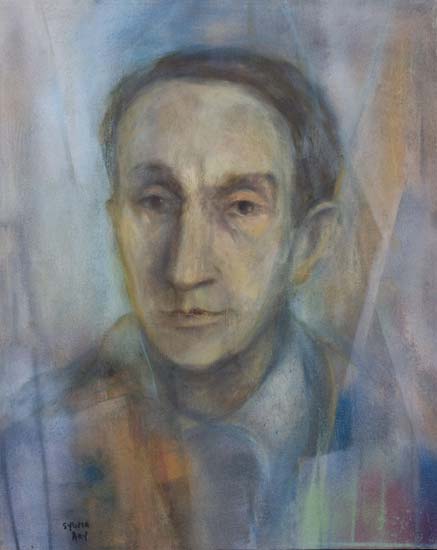
Portrait by Sylvia Ary
For a biography of Ravitsh in English, click here.
For a biography of Ravitsh in Yiddish, click here.
קליינער משפּחה־חשבון …
דער זײדע פֿון דער מאַמעס צד
בין איך אַזױ געזעסן דאָ אַנומלט אױף אַ גאָרטנבאַנק און עס איז
מיר אײַנגעפֿאַלן צו טראַכטן װעגן מײַנע זײדעס. געװײנטלעך — צװײ.
אײנער פֿון דעם טאַטנס צד און אײנער פֿון דער מאַמעס. און עס איז מיר
אײַנגעפֿאַלן, אַז נאָך אָפּליגן איבער פֿערציק יאָר אין די קבֿרים — דער
ערשטער אין סטאַניסלע און דער צװײטער אין רעדים, בײדע אין גאַליציע
— זענען זײ אױפֿגעשטאַנען אַ קוק טאָן אױף דעם תכלית און נחת פֿון
זײערע משפּחות.
דער ערשטער האָט געהײסן זעליק און דער צװײטער יאָסל.
אַ מאָדנער ריטעם איז געװעזן אין זײערע משפּחות. בײדע האָבן זײ נאָר
אײן מאָל אין לעבן חתונה געהאַט. זײדע זעליג האָט געהאַט פֿיר זין און
פֿיר טעכטער. זײדע יאָסל האָט געהאַט דרײַ זין און דרײַ טעכטער. דאָס
זענען די קינדער, װאָס האָבן זיך אױפֿגעכאָװעט. חוץ דעם האָט יעדער
פֿון זײ נאָך געהאַט צו אָנדערטהאַלבן מאָל אַזױ פֿיל קינדער, װאָס האָבן
זיך נישט געכאָװעט. אַזױ איז דאָס געװעזן אַמאָליקע צײַטן — עפּעס אַזױ
װי פּלעװע אױף די בײטן, װאָס דער מלאך־המוות אַלײן האָט געפֿלעגט
אויסצוּיעטן אין פֿאַרלױף פֿון די ערשטע יאָרן פֿון די פֿאַרמישפּטע קינדערלעך…
אָבער דאָס װאָלט אונדז אַװעקגעפֿירט צו װײַט, װען איך װאָלט
אין דעם קלײנעם משפּחה־חשבון געמאַכט אַ חשבון פֿון אַלע מײַנע צװעלף
פֿעטערס און צװעלף מומעס. איך װעל נאָר מאַכן, בכן, אַ חשבון פֿון דעם
נאָכװוּקס פֿון די זעקס קינדער פֿון מײַן זײדן יאָסל ראָזענבלאַט פֿון רעדים.
און אױב איך װעל דאָ, אָדער דאָרט מאַכן אַ טעות, איז נישט במזיד. אָט
איז דער חשבון, זײדע יאָסל פֿון דער מאַמעס צד: ….
די מומע מירל…
דער פֿעטער נח…
די מומע לייטשע…
דער פֿעטער נתן־נאָטע…
דער פֿעטער מרדכי…
מײַן מאַמע — הינדע
סך־הכּל פֿון קליינעם משפּחה־חשבון
סטאַטיסטיש — ווייס איך נישט גענוי. אפֿשר אַ מנין און אפֿשר צוויי מנינים איז דער ריינער ריווח… און געאָגראַפֿיש — וועסטו זיי, זיידע יאָסל, דאַרפֿן זוכן אין אַזיע, אייראָפּע, אַמעריקע, אויסטראַליע. אפֿשר אויך אין אַפֿריקע, נאָר איך ווייס נישט דערפֿון. עטלעכע אוראייניקלעך דײַנע טראָגן די קאָפּיע פֿון דײַן פּנים, ווי אַ לעבעדיקע ירושה־מאַסקע, קיינער נישט דײַן וווּנדערלעכע באָרד. קיינער האָט אויך נישט געירשנט דײַן פּאַטריאַרכאַלישע רו, דײַן גלויבן אין מאָרגן, איבערמאָרגן. האָב איך דיר געבראַכט אַ גרוס פֿון דײַן מאָרגן, דײַן איבער־איבערמאָרגן, זיידע יאָסל ראָזענבלאַט, פֿאָטער מײַן מאַמעס.
פֿון דאָס מעשׂה־בוך פֿון מײַן לעבן, באַנד 1
SMALL FAMILY RECKONING…
I was just sitting here recently on a park bench and it occurred to me to think about my grandfathers. Two — of course. One from my father’s side and one from my mother’s. And I imagined that after lying in their graves for over forty years — the first in Stanisle and the second in Redim, both in Galitsye — that they stood up to take a look at what had become of and what joy had come from their families.
The first was called Zelik and the second was Yosl. There was a strange rhythm to their families. Both only married once in their lives. Grandfather Zelik had four sons and four daughters. Grandfather Yosl had three sons and three daughters. Those are the children that managed to grow up. Aside from that each of them had at least one and a half times as many children which didn’t manage to grow up. That’s how it was in those days — something like chaff on the garden beds which the Angel of Death would weed out during the first years of those children sentenced to death… But it would take us too far afield if I were to make , in this a small family reckoning, a reckoning of all or my twelve uncles and my twelve aunts. I will, therefore, only make a reckoning of the offspring of the six children on my grandfather Yosele Rosenblat of Redim. And if, here and there, I make a mistake, it’s not intentional.. Here is the reckoning, Grandfather Yosl from my mother’s side:…
Aunt Mirl…
Uncle Noyekh…
Aunt Leytshe…
Uncle Nosn-Note…
Uncle Mordkhe…
My Mother — Hinde…
Sum Total of the Small Family Reckoning
Statistically — I don’t know exactly. Maybe a minyen, maybe two minyonim is the real yield… And geographically, Zeyde Yosl, you’ll have to look for them in Asia, Europe, America, Australia. Maybe also in Africa, but I’m not aware of it. Several of your great grandchildren bear the copy of your face like a living heritage-mask, but nobody has your wonderful beard. Nobody has inherited your patriarchal tranquility, your belief in tomorrow and the day after tomorrow. So I have brought you news of your tomorrow, and the time after the day after tomorrow, Zeyde Yosl Rosenblat, father of my mother.
The Storybook of My Life, Vol. 1, Buenos Aires, 1962
Kleyner mishpokhe-Khezhbn …
der zeyde fun der mames tsad
bin ikh azoy gezesn do anumlt oyf a gortnbank un es iz mir ayngefaln tsu trakhtn vegn mayne zeydes. geveyntlekh — tsvey. eyner fun dem tatns tsad un eyner fun der mames. un es iz mir ayngefaln, az nokh oplign iber fertsik yor in di kvorim — der ershter in stanisle un der tsveyter in redim, beyde in galitsye — zenen zey oyfgeshtanen a kuk ton oyf dem takhles un nakhes fun zeyere mishpokhes.
der ershter hot geheysn zelik un der tsveyter yosl. a modner ritem iz gevezn in zeyere mishpokhes. beyde hobn zey nor eyn mol in lebn khasene gehat. zeyde zelik hot gehat fir zin un fir tekhter. zeyde yosl hot gehat dray zin un dray tekhter. dos zenen di kinder, vos hobn zikh oyfgekhovet. khuts dem hot yeder fun zey nokh gehat tsu onderthalbn mol azoy fil kinder, vos hobn zikh nisht gekhovet. azoy iz dos gevezn amolike tsaytn — epes azoy vi pleve oyf di beytn, vos der malekh-hamoves aleyn hot geflegt oystsuyetn in farloyf fun di ershte yorn fun di farmishpete kinderlekh… ober dos volt undz avekgefirt tsu vayt, ven ikh volt in dem kleynem mishpokhe-khezhbn gemakht a kheshbn fun ale mayne tsvelf feters un tsvelf mumes. ikh vel nor makhn, bekheyn, a kheshbn fun dem nokhvuks fun di zeks kinder fun mayn zeydn yosl rozenblat fun redim. un oyb ikh vel do, oder dort makhn a toes, iz nisht bemeyzid. ot iz der kheshbn, zeyde yosl fun der mames tsad: ….
di mume Mirl…
der feter Noyekh…
di mume Leytshe…
der feter Nosn-Note…
der feter Mordkhe…
mayn mame — Hinde
sakh-akl fun kleynem mishpokhe-khezhbn
statistish — veys ikh nisht genoy. efsher a minyen un efsher tsvey
minyonim iz der reyner reyvekh… un geografish — vestu zey, zeyde yosl,
darfn zukhn in azye, eyrope, amerike, oystralye. efsher oykh in afrike, nor ikh veys nisht derfun. etlekhe ureyniklekh dayne trogn di kopye fun dayn ponem, vi a lebedike yerushe-maske, keyner nisht dayn vunderlekhe bord. keyner hot oykh nisht geyarshnt dayn patryarkhalishe ru, dayn gloybn in morgn, ibermorgn. hob ikh dir gebrakht a grus fun dayn morgn, dayn iber-ibermorgn, zeyde yosl rozenblat, foter mayn mames.
fun dos mayse|-bukh fun mayn lebn, band 1
Sholem Ash, Der khinekh fun der shul
2: 1And the LORD spoke unto Moses and unto Aaron, saying: 2‘The children of Israel shall pitch by their fathers’ houses; every man with his own standard, according to the ensigns; a good way off shall they pitch round about the tent of meeting.
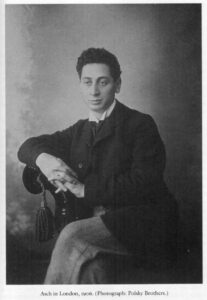 For a biography of Sholem Asch in English ,go to Week 22.
 דער חינוך פֿון דער שול
פֿון קידוש־השם
אין מיטן דער שול איז געשטאַנען דער באַלעמער, אױסגעשניצט אױס האַרטן ניסהאָלץ די נעמען פֿון די צװעלף שבֿטים מיט זײערע דגלים. יעדער שבֿט האָט געהאַט זײַן דגל און זײַן קאָליר. יהודה, אַלס דער קעניג, האָט זיך געגלאַנצט אין גאָלד מיט דעם לײב צו פֿוסן. שמעון מיט זײַן אונטערטעניקע שטאָט שכם, װוּ עס האָבן זיך געהױבן די מױערן און טורעמס פֿון דער שטאָט, װאָס שמעון האָט אײַנגענומען פֿאַר די שאַנד פֿון זײַן שװעסטער. און געשװוּמען איז די שיף פֿון זבֿולון אין אַ ים פֿון זילבער. מיט גרינע שטײנער איז געװען אױסגעלייגט דער בליִענדער בױם, דער צײכן פֿון אשר. און געגאָסן אױס קופּער איז געװען די שלאַנג פֿון דן. און איבערן באַלעמער איז געהאַנגען אַ חופּה, װי אַ טיף־בלױע נאַכט, אין װעלכער עס האָבן זיך געפֿינקלט גאָלדענע שטערן. און די צװעלף מזלות פֿון חודש זײַנען אַרומגעשװוּמען אין די בלױע נאַכט, יעדער מזל איבער יעדן שבֿט. און אױפֿן באַלעמער זײַנען איצט געשטאַנען די בעל־בתים מיט די ספֿרי־תּורות אין די הענט, גרײט אַװעקצולייגן זײ אין דעם נײַעם הױז, װאָס זײ האָבן געבױט פֿאַר גאָט. צװישן די בעלי־בתים שטייט ר’ יעקבֿ כהן פֿון דײַטשלאַנד און דאָס ספֿר־תּורה איז דאָס אײנציקע, װאָס איז אים איבערגעבליבן פֿון זײַן צאָלרײַכער פֿאַמיליע און פֿון דער גאַנצער קהילה, װעלכע איז צערונען און אַנטרונען געװאָרן אין אַלע פֿיר עקן פֿון דער װעלט. און אָט שטעט ר’ ישראל מיטן ספֿר־תּורה פֿון דער שול פֿון שטאָט אַש. פֿאַרלאָרן געװאָרן זײַנען אין דער בהלה דאָס װײַב מיט די קינדער. איז ער געקומען קײן פּױלן זוכן זײ. װאָרום געזאָגט האָט מען אים, אַז פֿיל ייִדן פֿון ביימען זײַנען קײן פּױלן ניצול געװאָרן, האָט ער געװאַנדערט פֿון יאָרמאַרק צו יאָרמאַרק, ביז ער איז מיט זײַן קינד קײן זלאָטשעװ אָנגעקומען און דאָרט זיך באַזעצט.
און צװישן די אַלטע בעלי־בתים, זאַט מיט צרות, אױסגעפּרוּװטע אין פֿײַער פֿון קידוש־השם, מיט די ספֿר־תּורות פֿון די חרובֿ־געװאָרענע קהילות אין די הענט, איז געשטאַנען דער נײַער בעל־הבית, דער פּרנס הקהל ר’ מענדל, מיט דעם נײַעם ספֿר־תּורה, װאָס ער האָט שױן געלאָזט שרײַבן פֿאַר דער שול פֿון דער נײַער ייִדישער קהילה פֿון זלאָטשעװ. קײן מענטעלע באַפֿלעקט מיט בלוט פֿון קדושים און מיט טרערן פֿון אַנטלאָפֿענע טראָגט דאָס נײַע ספֿר־תּורהלע נאָך נישט.
The Dedication of the Synagogue
from Kidesh-Hashem by Sholem Asch
In the center of the synagogue stood the platform built of hard chestnut wood and carved with the names of the twelve tribes and their standards. Each tribe had its own flag and color. Judah, as the king was brilliant with gold, with the lion at his feet; Simeon was his captured city of Shechem, where rose the walls and towers of that city which he had conquered to avenge the shame of his sister; and the ship of Zebulon floated in a sea of silver; the blossoming tree, the symbol of Asher, was studded with green stones; out of copper was fashioned the serpent of Dan. And above the platform hung a canopy like the deep blue sky of the evening in which golden stars twinkled and the twelve signs of the Zodiac floated in the blue night, each over its corresponding tribe. On the platform there now stood the leading mean with the scrolls of the Torah in their arms, ready to place them in the new dwelling which they had built for the glory of God. Among them stands Reb Jacob Cohen from Germany, and the scroll which he holds is the only thing left to him of his numerous family and of the entire community which was scattered and dispersed to the four corners of the earth. And there stands Reb Israel with the scroll of the synagogue of the city of Asch. During the panic he had become separated from his wife and children, so he had come to Poland to look for them. For he had been told that many Jews from Bohemia had saved themselves in Poland. He had wandered from one fair to another until he came to Zlochov with his child and settled there.
And among these old worthies, rich with tribulations and tested in the fires of martyrdom, with the scrolls of the devastated communities in their arms, stood the new leader, the parnas of the community, Reb Mendel with a new scroll which had been written at his behest for the new community of Zlochov.
The new scroll has as yet no covering stained with the blood of martyrs and with the tears of fugitives.
Kiddush Ha-Shem, Tr. Rufus Learsi
der khinekh fun der shul
fun kidesh־hashem
in mitn der shul iz geshtanen der balemer, oysgeshnitst oys hartn nisholts di nemen fun di tsvelf shvotem mit zeyere dgolim. yeder shevet hot gehat zayn degl un zayn kolir. Yehude, als der kenig, hot zikh geglantst in gold mit dem leyb tsu fusn. shimen mit zayn untertenike shtot shkhem, vu es hobn zikh gehoybn di moyern un turems fun der shtot, vos shimen hot ayngenumen far di shand fun zayn shvester. un geshvumen iz di shif fun zvuln in a yam fun zilber. mit grine shteyner iz geven oysgeleygt der bliender boym, der tseykhn fun osher. un gegosn oys kuper iz geven di shlang fun Don. un ibern balemer iz gehangen a khupe, vi a tif-bloye nakht, in velkher es hobn zikh gefinklt goldene shtern. un di tsvelf mazoles fun khoydesh zaynen arumgeshvumen in di bloye nakht, yeder mazl iber yedn sheyvet. un oyfn balemer zaynen itst geshtanen di bal|-ebatim mit di sifre-|toyres in di hent, greyt avektsuleygn zey in dem nayem hoyz, vos zey hobn geboyt far got. tsvishn di baley|-batim shteyt r’ Yankev koyen fun daytshland un dos seyfer-|toyre iz dos eyntsike, vos iz im ibergeblibn fun zayn tsolraykher familye un fun der gantser kehile, velkhe iz tserunen un antrunen gevorn in ale fir ekn fun der velt. un ot shtet r’ Yisroel mitn seyfer-|toyre fun der shul fun shtot Ash. farlorn gevorn zaynen in der behole dos vayb mit di kinder. iz er gekumen keyn poyln zukhn zey. vorum gezogt hot men im, az fil yidn fun beymen zaynen keyn poyln nitsl gevorn, hot er gevandert fun yormark tsu yormark, biz er iz mit zayn kind keyn zlotshev ongekumen un dort zikh bazetst.
un tsvishn di alte baley|-batim, zat mit tsores, oysgepruvte in fayer fun kidesh-hashem, mit di sofre-|toyres fun di khorev|-gevorene kehiles in di hent, iz geshtanen der nayer balebos_, der parnes hakoyel r’ mendl, mit dem nayem seyfer-|toyre, vos er hot shoyn gelozt shraybn far der shul fun der nayer yidisher kehile fun zlotshev. keyn mentele baflekt mit blut fun kedoyshem un mit trern fun antlofene trogt dos naye sfr-|toyre|le nokh nisht.
Avrom Sutskever, In midber Sinay X
2: 1And the LORD spoke unto Moses and unto Aaron, saying: 2‘The children of Israel shall pitch by their fathers’ houses; every man with his own standard, according to the ensigns; a good way off shall they pitch round about the tent of meeting.

For a biography of Sutzkever in English and Yiddish, see Week 1.
אין מידבר סיני
X
און פּלוצעם קומען אױפֿן באַרג די שטערן,
צונױפֿגעװאַנדערט פּונקט װי מיר פֿון גלות.
באַנומענע פֿון ליכט, מיר זעען, הערן:
די מענטשן װערן אײנס מיט די מזלות.
און אויפֿן באַרג, דורך בליצנדיקער אימה,
אַ ייִנגל מיט אַ פֿאָן. ער גיט זי איבער
אַ האַנט, וואָס נעמט זי אויבן אַ געהיימע,
און זאַלבט מיט אייביקייט, און בענטשט דעם גיבור.
און װער עס האָט געזען די נאַכט אין סיני,
געדענקען װעט דער סיני אױך זײַן נאָמען.
און װער עס האָט געזען די פּראַכט אין סיני
װעט קענען טױזנט יאָר דערצײלן. אָמן.
אַבֿרהם סוצקעווער, אין מידבר סיני, 1957
From In the Sinai Desert
X
Avrom Sutzkever
Suddenly the stars burst into the mountain,
Having drifted back from exile just as we did.
Wrapped in light, we see, we hear:
The People have become one with their destiny
And on the mountains, through flashing terror
A lad with a flag. He delivers it
To a hand above that receives it mysteriously
And anoints the hero with eternity, and blesses him.
And whoever has seen night in the Sinai,
Sinai will remember his name.
And whoever has seen the glory in Sinai
Will be able to tell it for a thousand years. Amen.
Tr. David Hirsch and Roslyn Hirsch.
in midber sinay
X
un plutsem kumen oyfn barg di shtern,
tsunoyfgevandert punkt vi mir fun goles.
banumene fun likht, mir zeen, hern:
di mentshn vern eyns mit di mazoles.
un oyfn barg, durkh blitsndiker eyme,
a yingl mit a fon. er git zi iber
a hant, vos nemt zi oybn a geheyme,
un zalbt mit eybikayt, un bentsht dem giber.
un ver es hot gezen di nakht in sinay,
gedenken vet der sinay oykh zayn nomen.
un ver es hot gezen di prakht in sinay
vet kenen toyznt yor dertseyln. omeyn.
avrom sutskever, in midber sinay, 1957
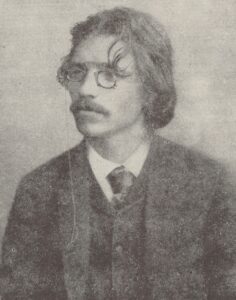 For a biography of Sholem Aleichem in Yiddish and English see Week 3.
  For a biography of Rokhl Korn in English and Yiddish see Week 4.
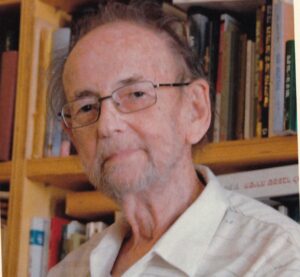 For a biography of Alexander Spiegelblatt in both English and Yiddish go to Week 1.
 For a biography of Chaim Grade in both English and Yiddish see Week 18.